

Suche
En / De

A  jet-black surface with nubs

Gerrit Terstiege
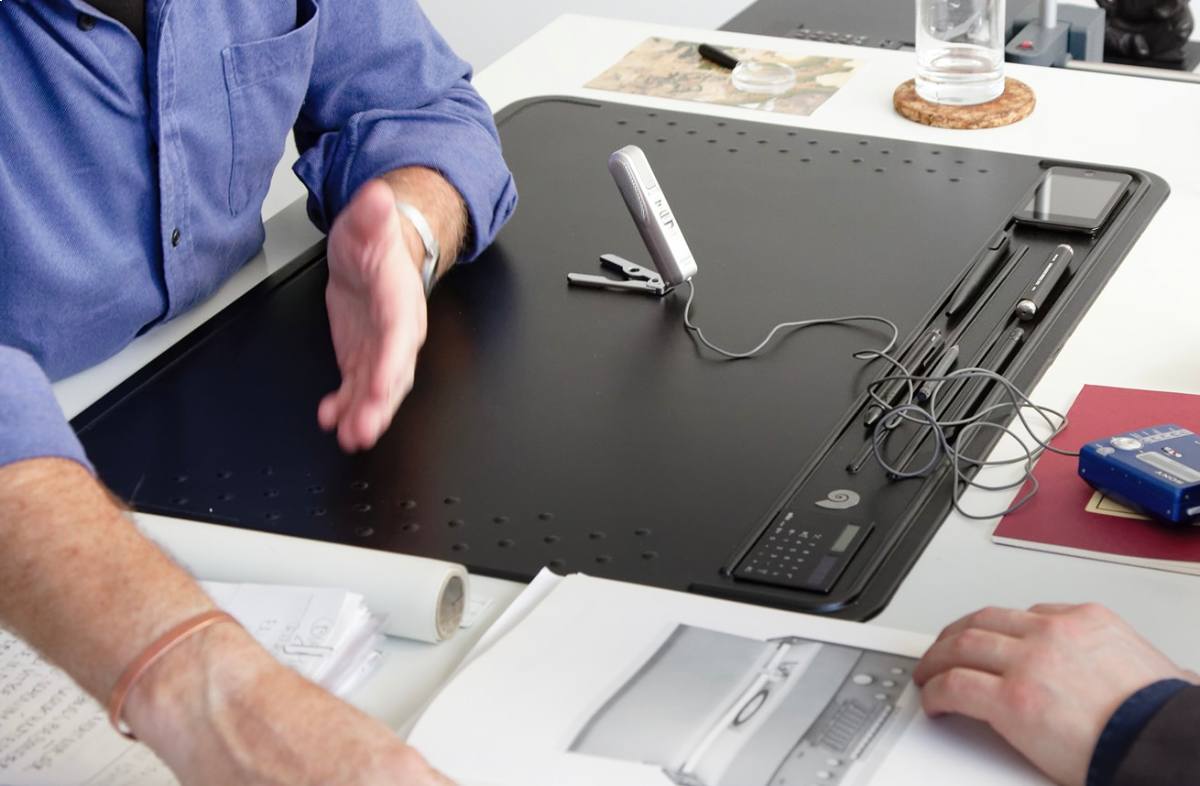
The Area desk mat
The Area desk mat has been a fixture on Dieter Rams' private work table for decades. © Dieter Schwer
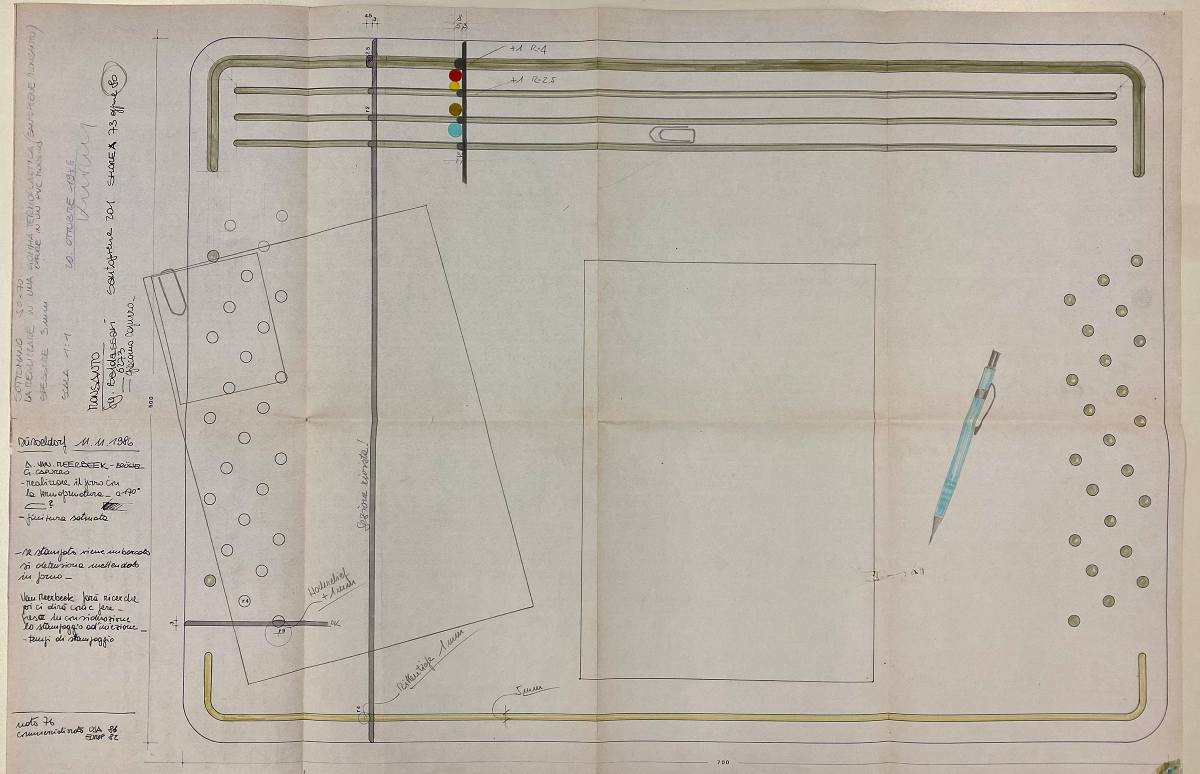
The desk pad on the Vitsœ double-top table RZ 57 in Dieter Rams’ studio is surely one of the most incon­spicuous objects the designer has, and it has been part of his life for many years now. It blends so effortlessly into the workspace that it appears to be an integral part of it: necessary, functional, and largely unobtrusive. Were it not for the striking large nubs that provide texture to the surface along both edges and lend the desk pad its character. There are twenty-six on each side: four diagonally placed, in staggered rows of five, and three round raised sections at the top and bottom. For Braun enthusiasts, the word ‘nubs’ naturally brings to mind those that have enabled a firm grip on the brand’s razors since the 1970s and have become a distinctive feature. A good example here is the Braun micron razor, designed by Roland Ullmann during the Rams era and launched in 1976. On the silver version of the micron, the black nubs are particularly prominent and ensure that the valuable device does not slip from the hand or off the washbasin. Returning to the writing pad: in its upper section, there are distinctive storage areas for pens and other office items, each delineated by elongated raised sections. A recess running around the lower edge ensures that writing instruments do not roll off the table. Lastly, the rounded corners are another design feature reminiscent of Braun – especially given pad is black and made of plastic. Overall, then, it is an elegant, simple and well-designed product. One could almost be led to believe that the desk pad was designed by Dieter Rams or his team.
Technical drawing of the Area table mat. © Kuno Prey
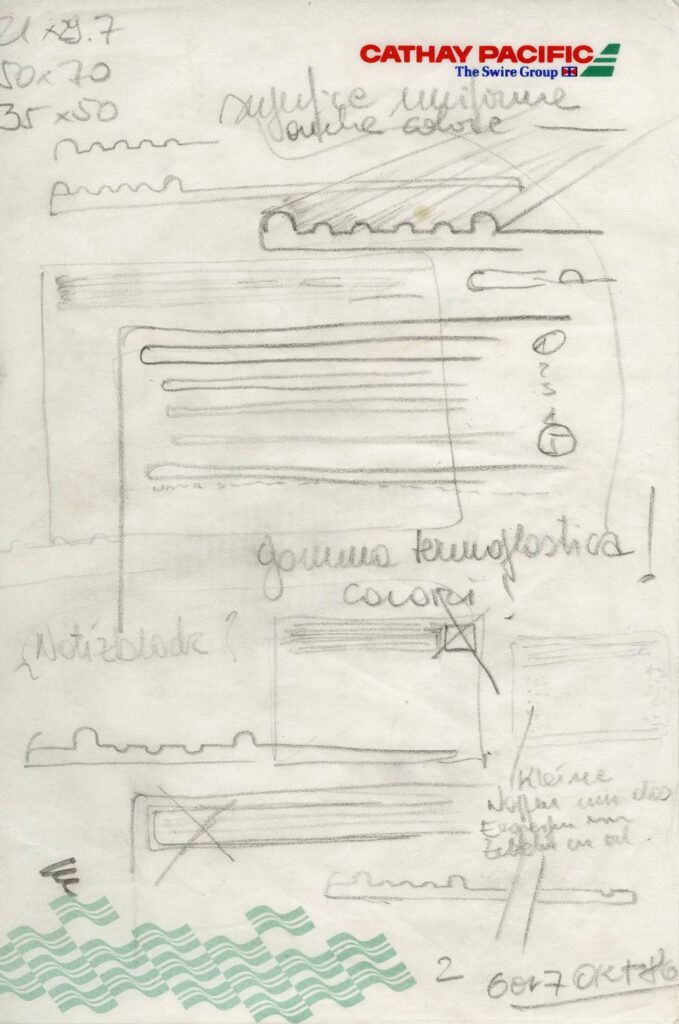
On closer inspection, however, one encounters the following text along the edge: “Area design Kuno Prey Copyright Nava Milano spa / Made in Italy”. So, it is not a German product after all. Kuno Prey, who designed the pad between 1986 and 1987, can surely provide further information. Now 68 years old, the designer and professor Prey taught product design at the Bauhaus University in Weimar from 1993 to 2002. In 2002, he returned to his home region of South Tyrol, where he founded the Faculty of Design and Arts at the Free University of Bolzano. He is still employed there as a professor of product design, teaching and conducting research. His statement regarding the manufacturer of the Area desk pad is at first surprising: “Nava is a highly regarded printing company – now operating under the name ‘Nava Press’. In the 1980s, leading graphic designers were commissioned to design diaries – which served as elegant promotional gifts. The range was then expanded to include desk and wall calendars, which were intended to serve as decorative and eye-catching items in the office. From there, it was a short step to a desk pad.
First sketch for the Area table mat, 1986. © Kuno Prey
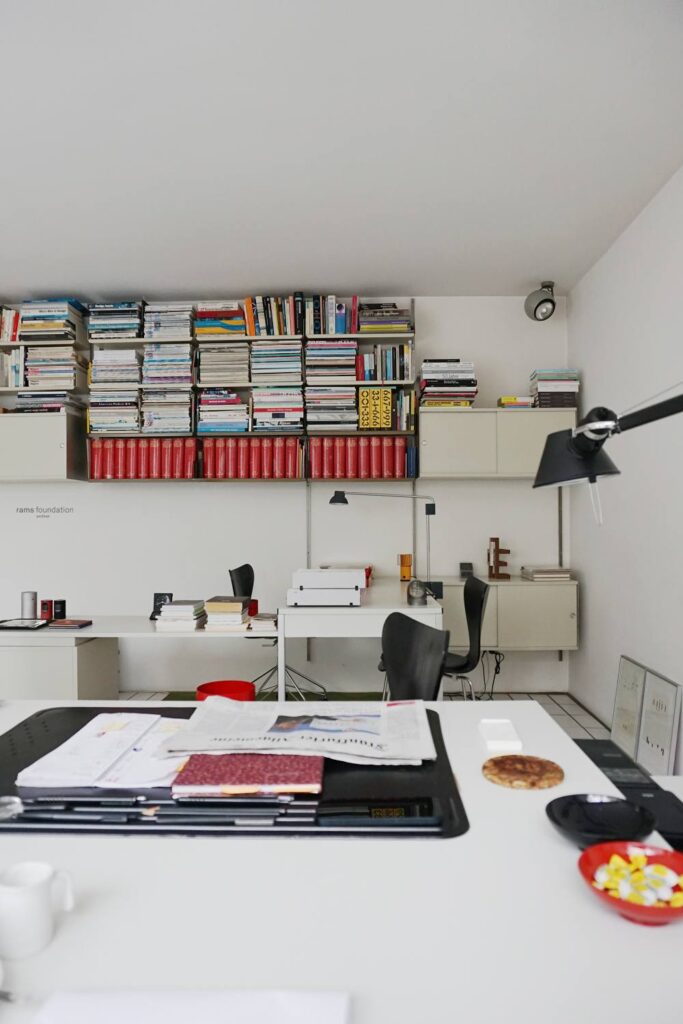
Ettore Sottsass had come up with a design for Nava that would have required the production of a digital calendar, a calculator, and a digital clock – but due to the small production run, no manufacturer could be found for the electronic components.” Prey therefore set about designing an alternative. A visit to the K plastics trade fair in Düsseldorf pointed him in the right direction: “I gathered brochures there on the polyurethane that Bayer had developed. PU integral foams were already being put to use in the automotive industry at the time, in steering wheels for instance. An ingenious plastics expert then helped me, through several trials, to realise the idea in such a way that a perfect matt black surface was achieved, which, thanks to the integral foam technology, offered a surface ideal for writing.” And the nubs? Do they serve a purpose beyond mere texturing? Prey: “Yes, naturally, because they make it easier to pick up a flat sheet of paper by sliding it towards the edge, towards the nubs.” These then lift it up, allowing the sheet to be grasped more easily with the fingertips. I’ve also noticed that some users run their fingers over the raised dots while they are on the phone and, as a designer, you simply can’t plan for something like that. But it’s a nice added bonus. For me, the Area conveys a sense of calm – and creates a space for working. The rest of the desk may be in chaos, but the pad encourages discipline. You have to at least clear and organise this space before you can get down to work.” Dieter Rams has been using the pad for over twenty years now, and it still looks almost as good as it did on the first day – the clever choice of materials, combined with careful use, make the Area a truly durable and aesthetically timeless object in the Kronberg workspace. In terms of colour, there is now a visual link on the desk to the black Tolomeo lamp, so that the two Milanese classics lend the Rams desk a certain Italian elegance. Yet both are undoubtedly rooted in the tradition of clear, functional design of German origin.
Today, a black Tolomeo lamp complements the table mat.
Photo: Cassandra Peters © rams foundation

More contributions
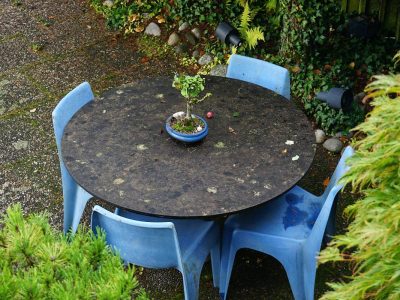
The Bofinger quartet in the Rams garden has aged gracefully – perfectly in keeping with the Wabi-Sabi principle valued by Dieter Rams. © Cassandra Peters / rams foundation

The Bofinger Chairs in the Rams‘ Garden

Four blue Bofinger Chairs have been a feature of the Rams’ garden since 1971. They perform an important supporting role there, appearing in numerous photographs in books and press articles, and of course in Gary Hustwit’s film, released in 2018, in which Dieter Rams is seen in one scene sitting at the garden table, talking with his wife Ingeborg or pruning a small bonsai tree.
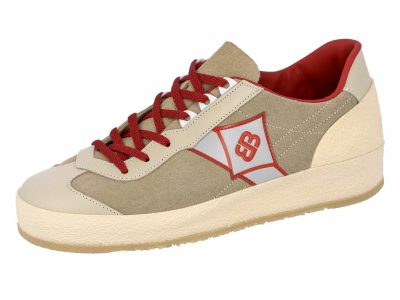
Today's model of the Brütting Road Runner. © Brütting

In the long Run: the Brütting Road Runner

The Road Runner, a simple, stylish running shoe that would also make history. It has been in production by Brütting since 1970. It’s the company’s best-known and best-selling model and is still made in Germany using traditional methods, that is to say, by hand. This is a rare situation in the sporting goods market, where most products are manufactured in low-wage Asian countries.
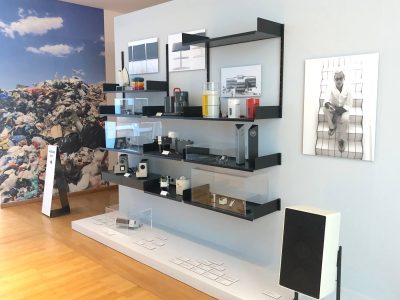
Dieter Rams' style room at the Museum of Applied Arts in Frankfurt Photo: Klaus Klemp © rams foundation

Durability: Design with a Long-Term Approach

In this series, we would like to present products that have stood the test of time on the market for decades. We wish to analyse which factors, materials and properties have contributed to an item being able to demonstrate exceptional durability in both functional and aesthetic terms — and not least in economic and ecological respects.